
Discover the top investment trends for 2026 that analysts are backing. From AI’s next wave to climate tech, learn where to invest for long-term growth.
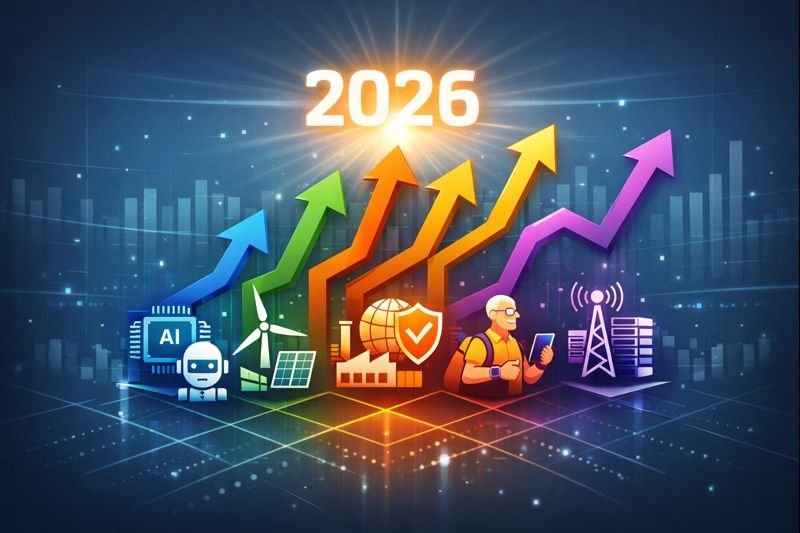
Remember the frenzy around meme stocks and NFTs a few years ago? Many investors chased the hype, only to learn a hard lesson about the difference between a fleeting fad and a durable trend. As we look ahead, the landscape is shifting in profound ways. According to a recent PwC report, over 70% of CEOs believe the future of their industry will be shaped more by climate change and technology than by global economic cycles. This isn’t just about what’s hot; it’s about where massive amounts of capital, policy, and innovation are converging for the long haul.
So, what does this mean for your portfolio? If you’re looking to build wealth steadily rather than gamble on the next big thing, you need to understand the structural shifts. Let’s cut through the noise. Based on consensus from major investment banks, asset managers, and macroeconomic research, here are the top investment trends for 2026 that are on every analyst’s radar.
Why Listen to These Trends?
Before we dive in, let’s be clear: a “trend” isn’t a stock tip. It’s a powerful, multi-year current driven by demographics, policy, and technological breakthroughs. Think of it like building a house. You wouldn’t start without a solid foundation (demographics) or a building permit (policy), right? These trends have both. Money follows these currents for a decade or more, not just a quarter. The key for retail investors like us is to position early within these waves, not at their peak.
1. The “Applied AI” Revolution: Beyond the Hype
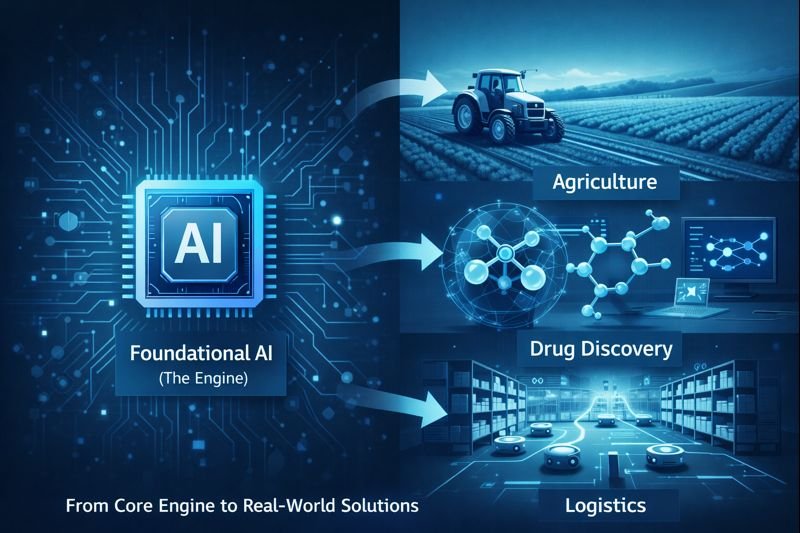
Everyone knows about artificial intelligence by now. But the initial wave of companies building the foundational models (like the ones that power ChatGPT) is maturing. The next, and arguably larger, opportunity is in Applied AI.
What it is: This refers to companies integrating AI deeply into specific, real-world industries to solve costly problems and unlock new efficiencies. It’s the difference between inventing the engine (foundational AI) and building superior, self-driving tractors for agriculture, hyper-efficient logistics networks, or personalized drug discovery platforms.
Why the money is flowing: The economic incentive is staggering. A McKinsey study estimates generative AI alone could add the equivalent of $2.6 to $4.4 trillion annually to the global economy. Industries like healthcare, manufacturing, and finance are desperate for these productivity gains. Governments are also funding this transition, seeing it as key to national competitiveness.
How to think about it as an investor: Don’t just look for “AI” in a company’s name. Look for established companies in boring, essential industries (think industrials, healthcare, finance) that are successfully using AI to reinvent their operations and create new revenue streams. Alternatively, consider ETFs focused on AI infrastructure or robotics.
2. Climate Tech: From Commitment to Cash Flow
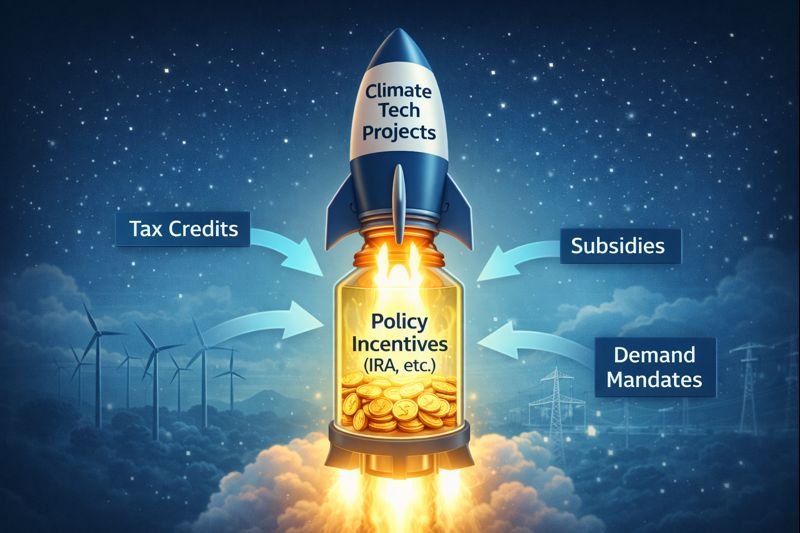
Climate change isn’t just a scientific concern; it’s the biggest capital reallocation story of our lifetime. We’ve moved past pure environmental, social, and governance (ESG) screening. The trend for 2026 is about profitable decarbonization.
What it is: This encompasses companies providing the tangible solutions for the energy transition: next-generation nuclear (like Small Modular Reactors), grid modernization tech, sustainable agriculture, carbon capture utilization and storage (CCUS), and the entire hydrogen value chain.
Why the money is flowing: Policy is the rocket fuel here. Laws like the U.S. Inflation Reduction Act are not just pledges; they are trillions of dollars in tax credits, loans, and direct subsidies flowing over the next decade. This de-risks projects and guarantees demand. Demographics are also key—younger investors overwhelmingly want their capital to drive positive change.
How to think about it as an investor: Think “picks and shovels.” Instead of trying to pick the winning solar panel manufacturer, consider the companies making the specialized materials, software, or engineering services that all these projects need. It’s a less volatile way to gain exposure.
3. The Great Re-shoring & Security Shift
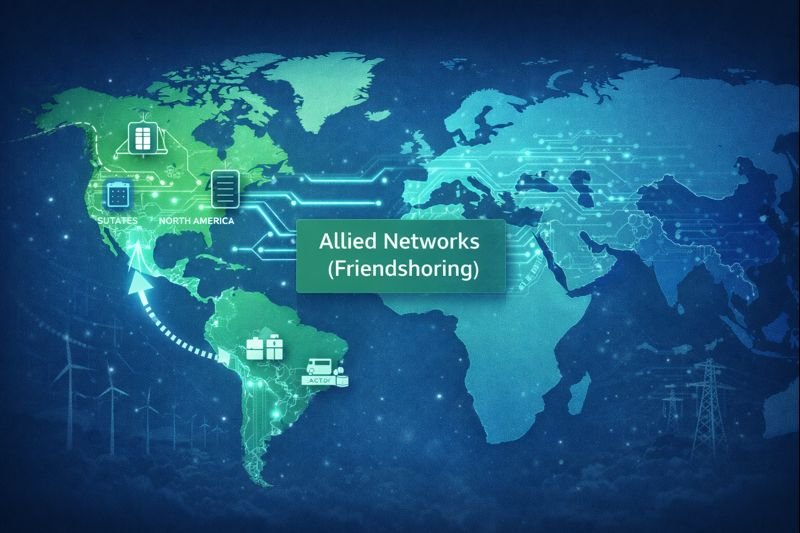
Globalization, as we knew it, is being rewired. The pandemic exposed fragile supply chains, and geopolitical tensions have made nations prioritize economic and technological security. This is creating a powerful, long-term investment trend: industrial and technological sovereignty.
What it is: This includes companies involved in:
- Advanced manufacturing and automation in North America and Europe.
- Semiconductor fabrication plants (fabs) being built outside of Asia.
- Critical minerals mining and processing for batteries and chips.
- Cybersecurity for infrastructure and businesses.
Why the money is flowing: National security and job creation are bipartisan political goals. Governments are offering huge incentives (like the CHIPS Act) and, in some cases, mandating local production for key goods. This creates a protected, domestic market for these companies for years to come.
How to think about it as an investor: This trend favors industrial giants, specialized engineering firms, and domestic resource plays. It’s a shift from seeking the lowest-cost producer to investing in the most strategically secure one.
4. The Longevity Economy: Aging Populations, Dynamic Markets
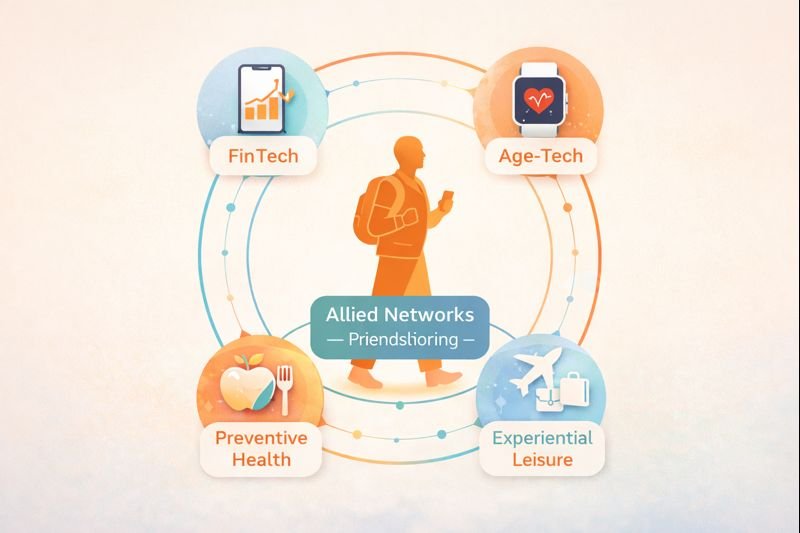
Here’s a trend you can literally set your watch by: demographics. By 2030, 1 in 6 people globally will be over 60. This isn’t just a social statistic; it’s an economic earthquake creating the Longevity Economy.
What it is: Investing goes far beyond nursing homes and pharmaceuticals. It includes:
- Fintech for retirement (new pension/income drawdown products).
- Age-tech (assistive robotics, smart home health monitoring).
- Preventative health and wellness (personalized nutrition, fitness for seniors).
- Experiential travel and leisure tailored to active retirees.
Why the money is flowing: This demographic has most of the wealth. Their spending patterns are shifting from accumulating assets to spending on health, comfort, and experiences. This creates predictable, decades-long demand tailwinds for companies that serve these needs.
How to think about it as an investor: Look for companies that enable “aging in place” or enhance “health span,” not just life span. This is a steady, defensive trend that is largely immune to economic cycles.
5. The Data & Digital Infrastructure Backbone

All the trends above rely on one thing: an unprecedented amount of data moving instantly and securely. The physical world is becoming digitized. This requires a massive, behind-the-scenes upgrade to the world’s digital infrastructure.
What it is: This is the less-sexy but critical layer: data centers, cell towers, fiber-optic networks, and satellite internet (like low-earth orbit constellations). It also includes the software to manage and secure this data flow (cloud security, data analytics platforms).
Why the money is flowing: The growth of AI, IoT devices, and global digital services is exploding data traffic. This infrastructure is the toll road for the 21st-century economy. It often operates with recurring, contract-based revenue (like renting space on a cell tower), making it attractive for stable income.
How to think about it as an investor: Consider real estate investment trusts (REITs) that own digital infrastructure or ETFs focused on data center and connectivity stocks. It’s a way to invest in the “landlords” of the digital age.
A Common Mistake to Avoid
The biggest error investors make when chasing trends is “story investing”—buying into a compelling narrative without looking at the company’s fundamentals. A company operating in a hot trend can still be overvalued or poorly run. Always ask: Does this company have a durable competitive advantage (a “moat”)? Is it profitable, or on a clear path to profitability? Is the valuation reasonable? The trend provides the wind, but you need a seaworthy boat.
Your Action Plan for 2026
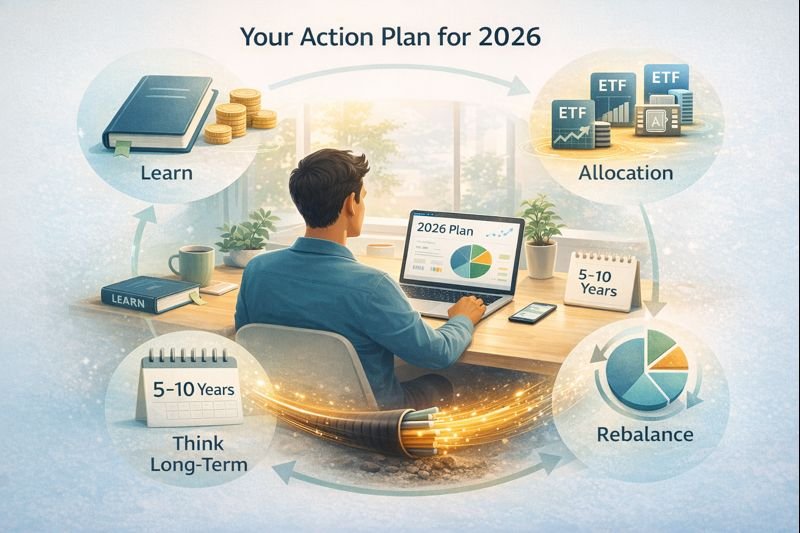
Feeling overwhelmed? Don’t be. You don’t need to become an expert in small modular reactors overnight. Here’s a simple, actionable approach:
- Educate, Then Allocate: Spend an hour a week reading about one of these trends from credible financial news sources.
- Start with Funds: The easiest entry point is through low-cost, broad-based ETFs that focus on these themes (e.g., clean energy ETFs, AI and robotics ETFs, digital infrastructure ETFs). This gives you instant diversification.
- Think Long-Term: Commit to a 5–10 year horizon. These are not day-trading themes. Set up regular, automatic investments to smooth out market volatility.
- Review and Rebalance: Once a year, review your portfolio. Has one trend become a massive part of your portfolio? It might be time to rebalance to manage risk.
The future investment opportunities for building lasting wealth lie in these powerful, structural shifts. By understanding why these global market trends are unfolding, you can move with confidence, invest with patience, and build a portfolio that’s not just reacting to the news, but is aligned with the future.
Ready to start? Pick one trend that resonates most with you, research a single ETF in that space this week, and consider making it a small, core part of your long-term investment strategy. The best time to plant a tree was 20 years ago. The second-best time is now.
Top 5 Investment Trends for 2026 According to Analysts